





AUG 5 — There was a time when I believed reading the news was a straightforward process. An event happened, journalists reported it, and audiences simply learned what was going on. Like many people, I rarely questioned why a particular photograph was chosen, why one quote appeared before another, or why some stories received prominent coverage while others barely made the news.
That perspective changed during my final year project. My research focused on how Instagram posts shared by activists involved in the Global Sumud Flotilla were recontextualised by mainstream news organisations. At first, I expected to compare different ways of reporting the same event. Instead, I found myself looking much deeper into the mechanics of journalism itself.
The more examples I analysed, the more I realised that news is never presented in a vacuum. Every headline, photograph, caption, and editorial decision reflects a series of choices made by people. Those choices may be influenced by professional judgement, organisational values, commercial interests, political considerations, or national perspectives. Whether we agree with them or not, they inevitably shape the way audiences understand a story.
Since then, I have found it impossible to consume news the way I used to. Instead of simply reading the headline, I now wonder why this particular image was selected. I ask myself why certain voices were quoted while others were absent. I notice differences between how various news organisations cover the same issue. These questions do not necessarily mean that journalists are dishonest or that the media cannot be trusted. Rather, they remind me that every piece of news arrives from somewhere, carrying with it a particular perspective.
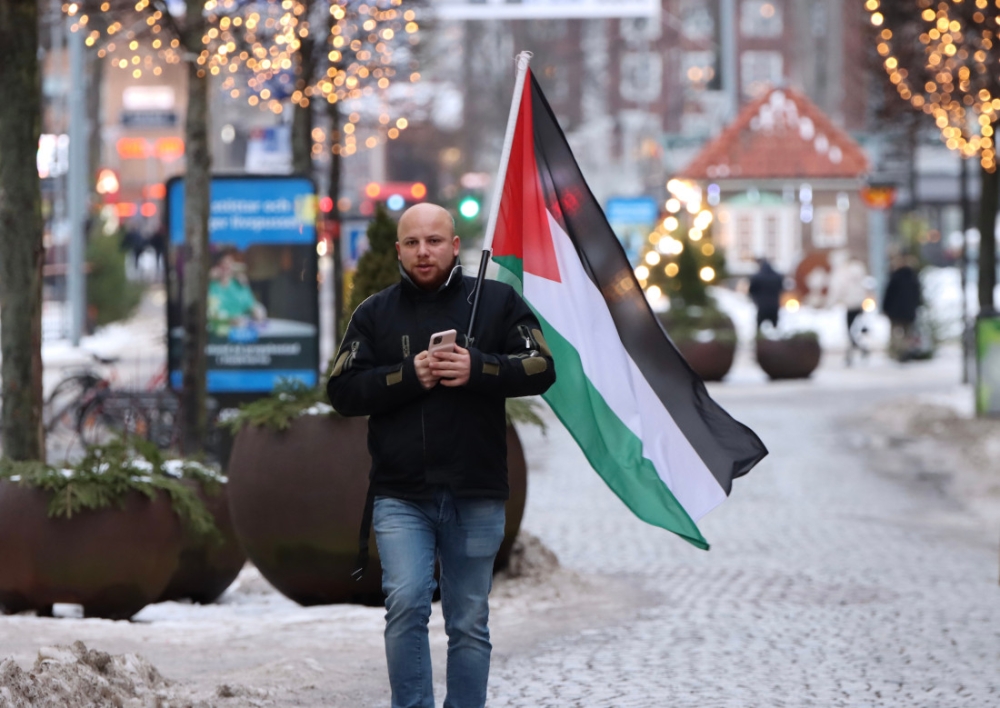
Some people may disagree with the idea that media organisations have geopolitical or ideological biases. They may argue that professional journalism strives to remain objective. I respect that view because objectivity remains an important aspiration. At the same time, complete neutrality is far more complicated than it appears. Ownership structures, editorial priorities, target audiences, and even cultural values all influence how stories are framed.
Recognising this does not mean rejecting journalism altogether. It simply means understanding that no source should be consumed uncritically.
This experience has also changed how I think about freedom of speech. I strongly believe that people should have the freedom to express opinions, raise awareness, expose injustice, and advocate for those whose voices are often ignored. Many important social movements throughout history would never have gained momentum without the ability to communicate freely. In today’s digital world, ordinary individuals can contribute to important conversations in ways that were previously impossible.
However, the same freedom also comes with responsibilities. Social media has given everyone a platform, regardless of whether the information they share is accurate, complete, or intentionally misleading. Content spreads faster than verification. Emotional reactions often travel further than careful analysis. Sometimes people become deeply attached to a particular narrative without ever questioning where it came from or whether it reflects the full picture.
This is why I believe media literacy has become just as important as literacy itself. Being media literate is not merely knowing how to identify fake news. It is learning to ask better questions. Who created this content? Why was it produced? What evidence supports it? Which perspectives are missing? These questions should not only be taught to university students. They should become part of how people of all ages navigate the digital world.
Of course, this is easier said than done. Not everyone has the time, educational background, or confidence to analyse every piece of information they encounter. Many people consume media while rushing to work, taking care of their families, or simply trying to get through another busy day. It is unrealistic to expect everyone to become a professional fact-checker before sharing a post or forming an opinion.
Perhaps this is where my views become slightly controversial.
I do think there are situations where some degree of regulation is necessary, particularly when misinformation, hate speech, or harmful content threatens public safety. Yet I also recognise that regulation is never a simple solution. Who decides what should be removed? Where should we draw the line between protecting society and limiting legitimate expression? These are difficult questions with no perfect answers.
What I know for certain is this: the solution cannot rely solely on governments, media organisations, or technology companies. It also depends on us as audiences.
Studying the media has not made me cynical. If anything, it has made me a more careful reader and a more responsible participant in the conversations that shape our society. I still believe journalism plays an essential role in democracy, but I also believe audiences have a responsibility to think critically about the information they consume.
Once you learn to look beyond the headline, you begin to realise that every story tells two stories: the event itself, and the way that event has been framed. Once you see the frame, you cannot unsee it.
*The author is an undergraduate student of Universiti Malaya, taking an elective university course entitled “Introduction to Journalism and Storytelling in Digital Age”, and may be contacted via [email protected].
** This is the personal opinion of the writer or publication and does not necessarily represent the views of Malay Mail.


