


KUALA LUMPUR, Oct 18 — After more than two years in the wings, Istana Budaya is back on centre stage.
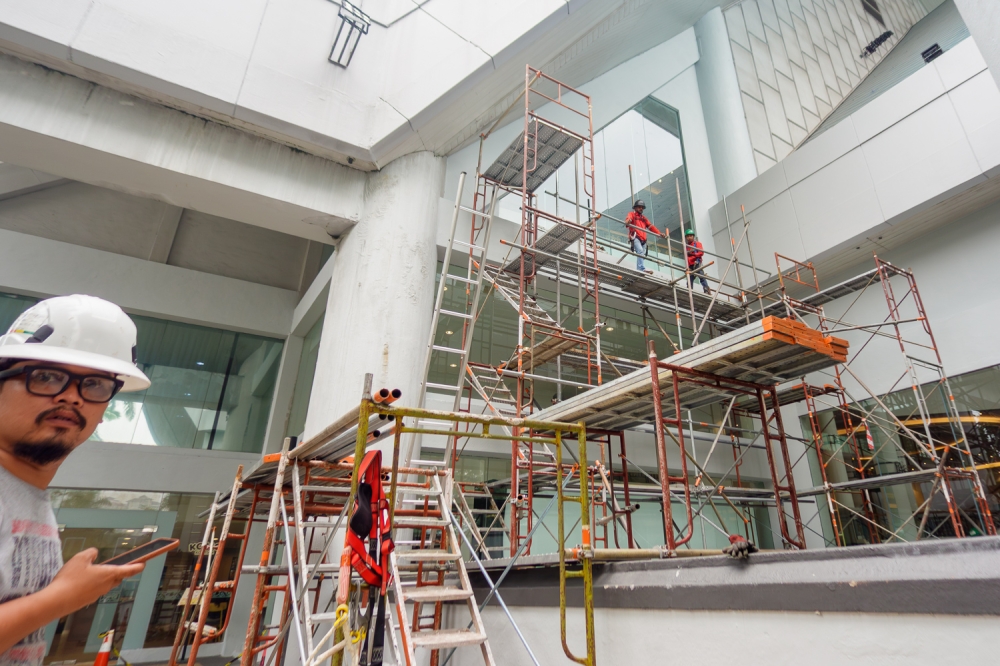
The national theatre officially reopened in August, following a closure in 2024 for comprehensive maintenance works and roof upgrades.
It welcomed audiences back with a refreshed appearance and two big draws.
One was Douglas Lim: Vital Stats, a stand-up comedy special held on August 15.
The other was Mansur & Liu, an epic Malay musical theatre production directed and composed by Malaysian music maestro Datuk M. Nasir.
Both drew strong audience turnouts, reflecting continued interest in live entertainment and the performing arts.
Since reopening, the venue has received a positive response, with production companies returning to stage shows and audiences, including first-time visitors, showing interest in its performances.
Good as new (almost)

The revamp focused on restoring the building’s appearance while preserving its architectural identity.
Istana Budaya deputy director-general (operations) Johan Cruyff Mohd Johari Md Nordin told Malay Mail the work concentrated on repairing worn areas and bringing approximately 90 per cent of the building back to its original 1999 condition.
“We have since refreshed and rejuvenated the interior and surrounding areas.
“While the restoration may not be 100 per cent complete, we believe the building is now about 90 per cent restored to its former condition.
“We want visitors, especially those who have been here before, to feel that Istana Budaya has regained much of its original appearance.
“We are grateful for the support we have received to carry out these improvements while preserving the building’s character,” he said.
Decades in the making
The story of Istana Budaya began in 1964, when it was first proposed as part of plans to establish Malaysia’s National Cultural Centre.
Construction of the National Theatre, then known as Panggung Negara, began in July 1995.
The building was completed in December 1998 and officially renamed Istana Budaya on September 15, 1999.
Today, it stands as one of Malaysia’s leading performing arts venues, hosting productions that bring together artists, performers and audiences under one roof.
Built for the big shows
Johan said the venue was specifically designed to accommodate performances that highlight the beauty, aesthetics and diversity of the performing arts.
“It was specifically designed to present performances that showcase beauty, aesthetics and the performing arts.
“Even the building itself reflects a combination of Malaysian cultural elements, and the performances presented here are closely connected to that artistic identity.
“Unlike commercial venues that operate primarily for profit, Istana Budaya also aims to provide opportunities for local productions to stage their work here, subject to certain conditions and guidelines.
“We want to give local artists and production companies opportunities to perform, particularly in theatre and concerts,” he said.
Johan added that the venue was particularly suited to large-scale musicals and theatre productions because of its specialised stage facilities, including an overhead rigging system and fly bars that allow scenery and other stage elements to move during performances.
These facilities enable production teams to incorporate elaborate sets, complex stage designs and technical effects that may be difficult to accommodate elsewhere.
“For productions that need these capabilities, Istana Budaya is often a preferred venue because of what its stage can offer,” he added.
More than a concert hall
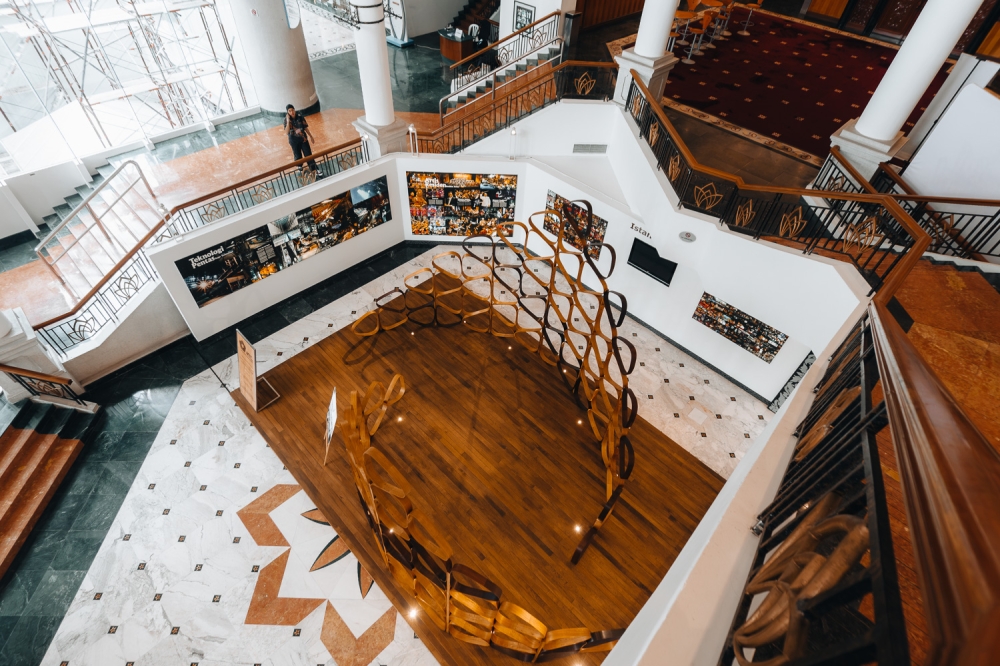
Istana Budaya continues to serve as a national platform for theatre, musicals and orchestral performances, supporting local and international productions while promoting Malaysia’s cultural heritage.
Johan said its emphasis on theatre and stage productions distinguished it from other venues, which focus more heavily on concerts.
“We also have programmes featuring the National Symphony Orchestra and traditional Malaysian orchestral music, as well as musical theatre performances accompanied by orchestral arrangements.
“Our role is to continue providing opportunities for artists and production companies while preserving and promoting Malaysia’s artistic and cultural heritage,” he said.
Calling first-timers
As Istana Budaya looks towards the future, attracting younger audiences and first-time visitors remains an important priority.
Johan said the venue aims to achieve this through consistent programming, including children’s theatre, musicals and productions catering to different interests and age groups.
“Attracting new audiences is important to us.
“While we appreciate those who have supported Istana Budaya for many years, we cannot depend only on our existing audience.
“We need to introduce the venue to people who may never have attended a performance here before.
“Our aim is to build a consistent programme from year to year so that audiences know there will always be something worth coming to see.
“Ultimately, we want to preserve the legacy of Istana Budaya while ensuring that new generations continue to appreciate theatre and the performing arts,” he concluded.

What’s next
The next performances scheduled at Istana Budaya include Konsert Rindu Sumayyah – Hijjaz 3 Dekad on October 17, followed by Teater Muzikal Kanak-Kanak: Pengembaraan Sang Kancil from November 13 to 15.
The Istana Budaya team said both productions had recorded strong ticket sales, with tickets reportedly nearing a sell-out.
As the curtains rise once again, Istana Budaya’s challenge extends beyond restoring a landmark building.
It is about ensuring the stage continues to inspire audiences, support local talent, and keep Malaysia’s performing arts alive for generations to come.


