


TAIPING, Sept 4 — What began in 2019 as a way to cut the high cost of rearing chickens and ducks has led Liyana Farhana Noor Izan to an innovative and sustainable solution — farming Black Soldier Fly Larvae (BSFL).
The 39-year-old founder of Kebun Rahsia said the idea took shape when she was searching for alternatives to expensive livestock feed and discovered the potential of BSFL as a cost-effective and eco-friendly option.
“By using BSFL, I can save between 45 and 50 per cent on livestock feed costs. The savings are even greater when I breed them myself,” she told Bernama at her farm in Kamunting.
Beyond savings, Liyana said BSFL helps tackle environmental concerns by consuming food waste, which serves as the larvae’s main food source.
A mother of four, she said she has never felt squeamish about handling larvae, describing them as “nature’s cleaners.” Apart from consuming her household waste, the larvae also feed on leftovers collected from neighbours and nearby residents.
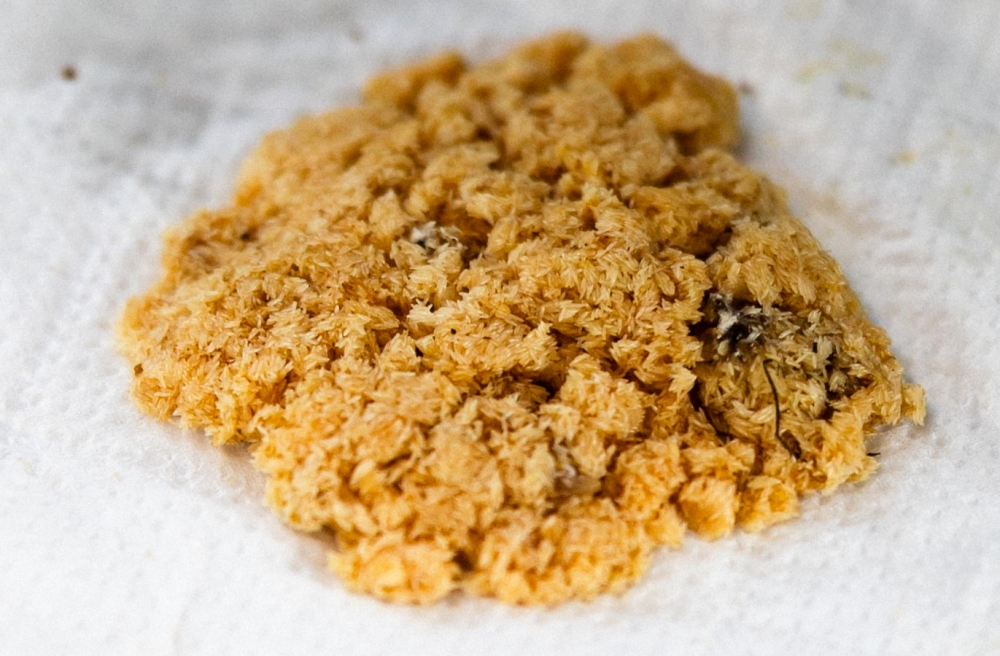
According to her, BSFL farming also produces organic fertiliser from larval waste and shed skins, both rich in protein and highly beneficial for soil and crops.
“It helps improve soil quality, keeps plants healthier, and enriches the land. When given to animals, livestock also grow larger than usual,” said the UniKL Chemical Engineering (Food Technology) diploma holder.
She explained that BSFL have a short life cycle of about two months before reaching a size suitable for livestock feed.
“The eggs hatch within three to four days, followed by a larval stage lasting two weeks. The larvae then enter the pre-pupal and pupal phases, which take another two weeks, before becoming adult flies — and the cycle continues,” she said, adding that her farm now produces between 300 and 500 kilogrammes of BSFL each month.
“Black soldier flies are not like houseflies. They only lay eggs in clean environments and do not spread diseases. BSFL are safe for all types of livestock and even pets,” she added.
To help others start out, Liyana introduced a BSFL starter kit priced at RM150.
“The kit comes with eggs, basic equipment, a video guide and two months of mentoring. It is enough to complete one breeding cycle and produce up to 100kg of larvae. My focus is on small-scale farmers, gardeners and home breeders,” she said, adding that she hopes to build a community of 1,000 BSF farmers by year-end.
She has also partnered with universities including Universiti Sultan Zainal Abidin (UniSZA), Universiti Teknikal Malaysia (UTEM) and Universiti Kebangsaan Malaysia (UKM), and is a strategic partner of the Perak Tengah District Council in its BSF Project, which converts food waste into compost.
Meanwhile, a fish farmer, Abdul Majid Fitri, 34, said BSFL had helped him cut feed costs by up to 70 per cent.
“I farm about 4,000 catfish. By combining pellets with BSFL in their diet, the fish grow faster. Usually, it takes 40 days for them to reach market size, but now it only takes about three weeks,” he said.
However, both he and Liyana noted that sourcing enough food waste to feed the larvae remains a key challenge.
Currently, Liyana collects scraps from households and eateries, including coffee grounds.
She is now urging the public and food operators in Perak to contribute their food waste for the cause.
“It’s a win-win situation. I get feed for the larvae, and the community no longer needs to worry about waste disposal. We also provide free collection services,” she said.
Liyana can be contacted via Facebook (Liyana Izan) and TikTok (kebunrahsia). — Bernama


